Become Cognitively Conscious. 

Think Better. Teach Better.


 ~ Cognitive Mastery Series ~

Subscription Programme 


for:

 EDUCATORS, TEACHERS, TUTORS 

and home-schooling PARENTS 


Every parent wants the best for their child.


But what is ‘the best’ without the best mind?


Without strong thinking skills…
Without the ability to make good decisions…
Without power over their own mind?


  *****************************


Become a Master of your Cognition. Teach your child Cognitive Skills. 

 Why? 

Deeper Cognitive awareness

Gain a deeper understanding of the mind—focusing not just on the mind but on what drives it: cognition.

Effective Learning

Enable more effective teaching and learning for improved choices and decisions.

Facilitate Learning 

Experience learning that’s easier, more enjoyable, and cognitively empowered.

Balance and Clarity

Correct cognitive distortions and imbalances for a clearer, more balanced mind.


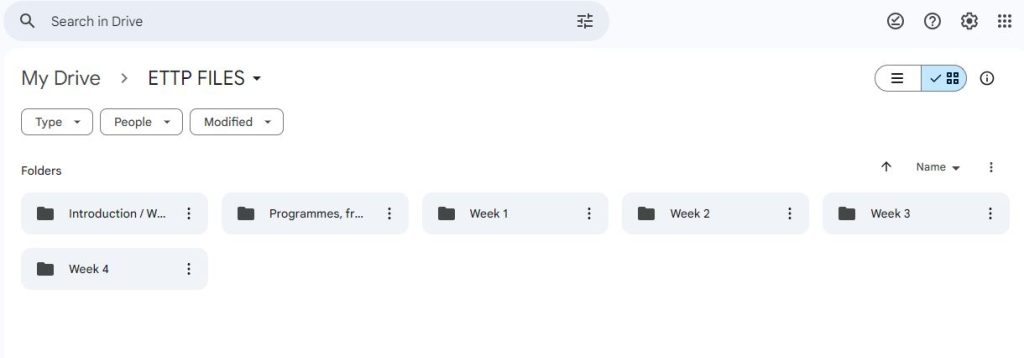
I built ETTP because I wish I had it when I started. Four weeks of structured, ready-to-use material – real files, real results. 

No fluff, no theory, no unfinished ideas. If you’re ready to stop guessing and start implementing, this is it.


Back to school… but back to the same old way of learning?
What if this year was different – what if your child could learn by strengthening their cognitive skills – the very tools that help them think, process and make decisions?


I’ve spent nearly two decades working with primary school students and teenagers, teaching English and maths. But what about their cognition – the very skills and mental abilities that make learning possible?

In mainstream schools, cognitive development is often measured but rarely developed. It’s assumed that cognition grows naturally alongside learning. 

Yet left undeveloped, cognitive distortions, imbalances, and mental meta-programmes can work against us – leading to poor decision-making, inefficient thinking, and unnecessary struggle.

As a Cognition & Language Expert, I know that when these skills are actively nurtured, they become powerful tools – helping children learn better, think better, and live better.

If you want to understand what cognition really is, why it matters, and how to develop it.


Calling ALL

 EDUCATORS, TEACHERS, TUTORS and PARENTS 

(Including home-schooling parents)


Would you like to enhance your understanding of how cognition influences learning?


Would you want to deepen your expertise in helping students unlock their cognitive potential and address learning challenges effectively?


The ETTP subscription programme offers a comprehensive approach to improving cognitive skills and understanding cognitive development in children.


Designed specifically for educators, tutors, and parents, it provides the tools, insights, and strategies needed to develop and navigate cognitive skills and processes, understand the psychology of learning, and foster an environment where students can thrive.


By mastering these skills, you will not only enrich your students’ learning experience but also better support their emotional and cognitive development, setting them up for long-term success.


 If you are an Educator, Teacher, Tutor or Parent who is passionate about personal development 

and internal development and well-being 


– ETTP subscription programme  is ideal for you!


Here are some of the issues to think about… and questions to answer…


“How is your child doing cognitively? Which skills are thriving, and which could use support?”

“Do you know how childhood trauma can affect learning and thinking?”

“Which cognitive skills does your child need to optimise their learning — and do they have them all?”

“Do you know the 25 essential cognitive skills that set up lifelong learning success?”

“What psychological barriers might be holding your child back — and how could you remove them?”

“Could your child have hidden traces of trauma affecting their learning — and how would you spot them?”

“If you could boost one area of your child’s thinking today, which would it be?”

“How confident are you that your child’s thinking skills match their potential?”

“Which learning challenges does your child face most often — focus, memory, reasoning, or emotional regulation?”

“What would it mean for your child if their cognition was fully supported and enhanced?”


IN YOUR SUNSCRIPTION FILES

TOPICS INCLUDE: 


What is Cognition?

Definition of Cognition: Exploring various definitions and theories of cognition.

The Three Layers of Cognition: Descriptions of examples of how these layers work and interact with one another.

Cognitive Distortions, Inconsistencies, and Imbalances: Common examples and how they affect learning and behaviour.

Meta-Programmes: What are meta-programmes with real-life examples and their impact on teaching and learning?

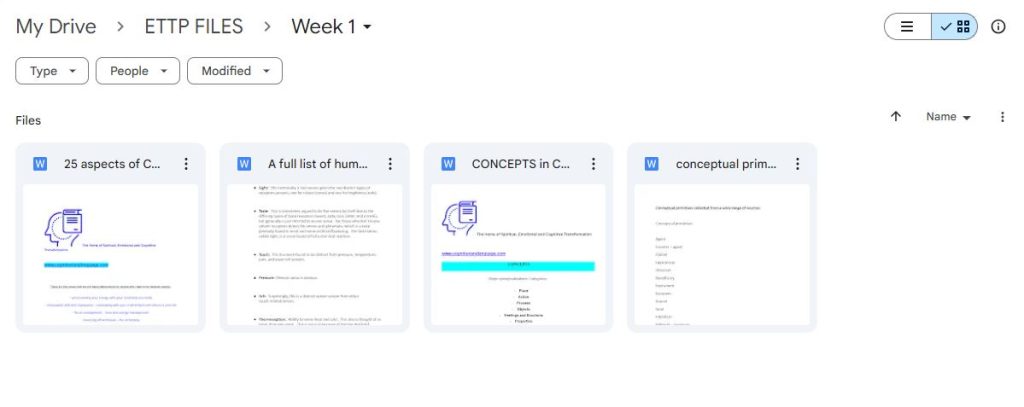
25 Aspects of Cognition: A brief overview of each aspect with implications for education.

How do cognitive distortions impact student behaviour and learning?

In what ways can understanding meta-programmes help in tailoring educational approaches?

How can educators identify and address imbalances in cognition among students?


Cognition and Issues

Revisiting the Three Layers of Cognition: Deepening the understanding of each layer of cognition.

Cognitive Aspects of ICSHP: Detailed exploration of how ICS (inner child syndrome) impacts cognition.

Practical Implications for Educators: Strategies and exercises for addressing cognitive issues.

How can educators recognise and address cognitive distortions related to ICS in their students?

What are the common cognitive issues and how can they be managed or corrected?

How can educators adjust their strategies to better support students with cognitive issues?


ICSHP and Education – Teaching and Learning 

Trauma Training: A comprehensive guide on trauma-informed education, signs of trauma, and effective interventions.

Impact of ICS on Education: How trauma and ICS-related factors influence learning outcomes and educational experiences.

Consequences of Trauma and ICS: Descriptions and scenarios illustrating the impact on student performance and internal well-being.

How can educators implement trauma-informed practices in their teaching?

What are effective strategies for supporting students impacted by trauma and ICS?

How can educators create a safe and supportive learning environment for all students, including trauma survivors?


Cognitive  Skills and Abilities

Learning Skills Test: Various types of learning assessments and how to interpret the results.

Listening Skills: Techniques for active listening and its impact on student engagement. 6 layers of listening.

Observational Skills: Methods for observing and interpreting student behaviour and performance. Learning how to observe.

Questioning Skills: Effective questioning techniques to promote critical thinking and understanding. Asking the right questions.

Expression and Projection Mastery: Tips for clear communication, setting boundaries, and managing learning processes. The many ways of expression.

What are some strategies for improving questioning skills in the classroom?

How can educators enhance their observational skills to better support student needs? How can teachers teach students to observe effectively?

What are the best practices for providing feedback in a constructive manner to students?


Psychology and Cognition

Psychology of Learning: Key psychological issues and their application in education.

  Learning : Understanding students’ mental states and readiness for learning.

The Mistaken Mind: Common misconceptions and errors in understanding learning processes.

Conditioning and Modelling: How these two concepts apply to behaviour management and skill development in the classroom.

How can educators use psychological theories to design effective learning experiences?

What role does conditioning play in shaping student behaviour and learning habits at school and at home?

How can understanding the “mistaken mind beliefs” help educators address learning challenges?


Developing a Fantastic Inner Sphere in Children

Core Aspects of the Inner Sphere: Discuss elements like self-esteem, resilience, and emotional intelligence. Six core aspects of the inner sphere.

Creating Core Conditions: Strategies for fostering a supportive and nurturing environment for children’s inner development. Six core conditions for the inner sphere to thrive.

How can educators and parents work together to support the development of a child’s inner sphere?

What are practical steps to create an environment that encourages emotional and psychological growth in children?

How can educators assess and enhance the inner sphere development of their students?



Have you ever wished your child was doing better at school?
That they were sharper, more confident – and not easily fooled by anyone?

There is one key to unlocking all of this – developing your child’s cognitive capabilities.

Hi, I’m Isabella Agif – The Cognition Queen 👑 a.k.a. TCQ – a Cognition & Language Specialist.
I’m on a mission to help future generations become cognitively empowered and consciously equipped to think better, choose better, and live better.

Want to know how? Let’s talk about the power of cognition.


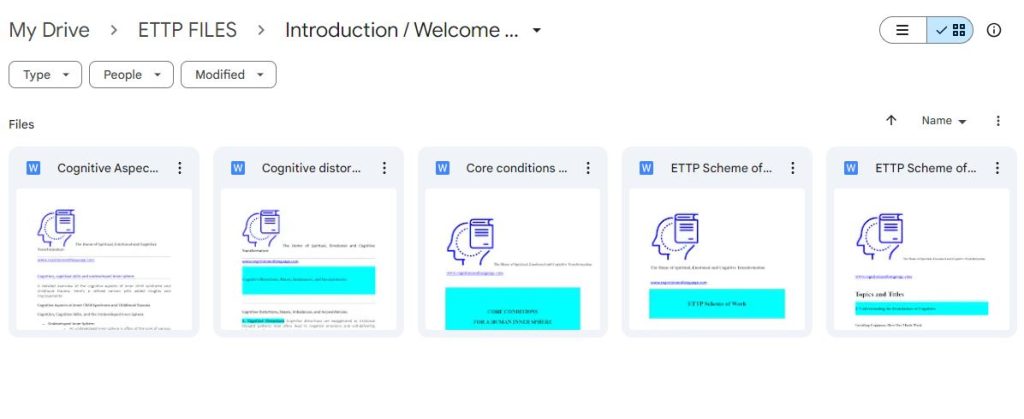
The ETTP programme modules – an overview:


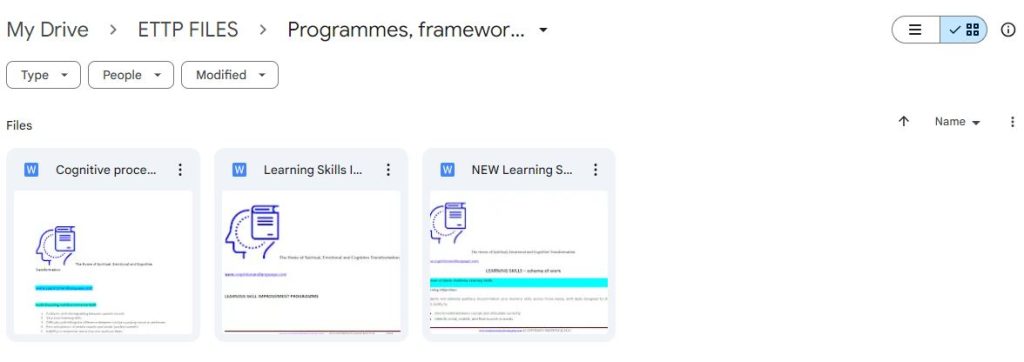
Programmes and schemes of work:


Learning Skills Development Programme – Auditory, Visual, Literacy and Numeracy basic learning skills 

Cognitive Functional Skills  – development and improvement of basic cognitive skills


1. What is Cognition?

Exploring the nature of cognition, its definitions, and the three layers of cognition.

Understanding cognitive distortions, meta-programmes, and their impact on learning.

A list of 25 critical aspects of cognition, including inconsistencies and imbalances that may affect educational outcomes.


2. Cognition and Possible Issues

A deeper dive into cognitive layers and the impact of Inner Child Syndrome (ICS) on learning.

Practical strategies for educators to identify and address cognitive issues in students.


3. ICS and Education: Teaching and Learning

Trauma-informed education and the consequences of ICS on learning outcomes.

Effective interventions for supporting students with trauma-related cognitive and emotional challenges.


4. Cognitive Skills and Abilities

Assessment tools like learning skills tests, alongside strategies to enhance listening, observation, and questioning skills.

Mastering expression, projection, and setting boundaries to improve classroom interactions and learning effectiveness.


5. Psychology and Cognition

The psychology behind learning, including conditioning, modelling, and addressing harmful beliefs that hinder student progress.

Preparing students mentally before learning and correcting cognitive misconceptions.


6. Developing a Fantastic Inner Sphere in Children

Understanding and fostering core aspects of a child’s inner sphere, such as emotional intelligence, resilience, and self-esteem.

Creating the ideal conditions for a child’s inner growth and emotional well-being, allowing their cognitive skills to flourish.


💬 WELCOME TO THE FAQ SECTION 

✅ FAQ Questions 

What exactly is cognition, and why should I care as a teacher or parent?

Will this help with students who have dyslexia, ADHD, or other learning differences?

How many hours per week will I need to spend on this programme?

Is there any guarantee or refund option if it doesn’t feel right?

How can I give feedback or suggest improvements during the soft launch?

What if I start mid-programme — can I still join live sessions or catch up


📜 Common Queries

 Purpose

Who is this programme for?
This path is for educators, tutors, teachers, and parents (including home-schoolers) who wish to become cognitively conscious, enabling their learners to think, decide, and grow with clarity.


 Access & Format

How is content delivered?
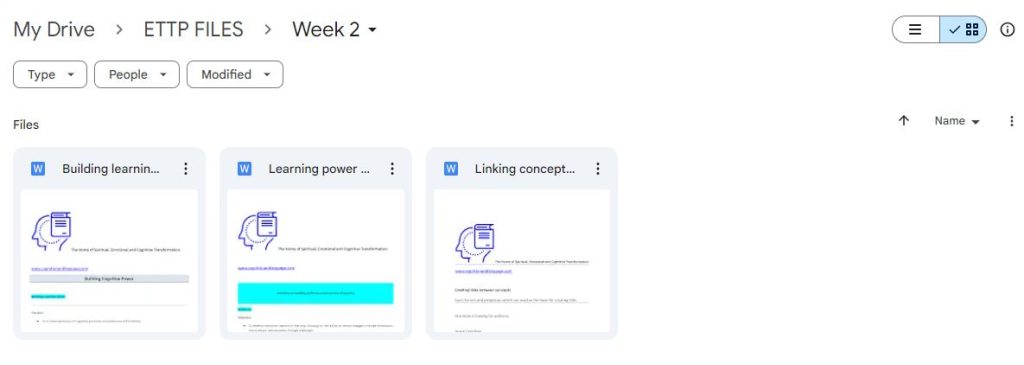
Once subscribed, you receive weekly files & resources for a full year. You’ll join our private group for support, participate in live sessions, and receive guidance at every turn.


 Costs & Duration

What investment is required, and how long does it last?
The subscription is £97/month for a year’s access. The journey runs continuously—with updates, live support, and community access throughout the term.


 Soft Launch & Expectations

Is this version final? Will everything be perfect?
This is part of a soft launch. Some tools are freshly laid, some edges may still be rough. If you desire polished perfection, you may wait for the grand relaunch. But entering now gives you more support, more voice, more influence over what unfolds.


Support & Community

What help will I get along the way?
You will gain access to a private gathering (group) of kindred educators & home-schoolers, live Q&A, feedback, guidance, plus chance to share ideas, challenges, and refinements together.


 Next Steps / What Happens After You Join

What happens when I become a subscriber?
You’ll receive welcome nodes (resources), schedule of live sessions, access to weekly files, and entry to the private group. Also, periodic check-ins to assess progress and adjust course as needed


________________________________________________________________


Receive weekly content for a whole year. 

 Subscribe to have access to many valuable resources and extra files.


You will also be invited to a private Facebook Group where you will be a part of a community of teachers, tutors, and educators.

 Live sessions, guidance, and support throughout the year.   


 ONLY £97* per month (one-year subscription)  

*The price is subject to change 
 

Don’t miss out.


 Free and Paid pre-recorded sessions


Breaking the Invisible, Intellectual Chain: How Childhood Trauma Shapes Cognitive Development 

and Its Long-Term Impact

 ***

25 Aspects of Cognitive Mastery: Essential Skills for a Thriving Mindset for Educators, Tutors, Teachers 

and Home-schooling Parents

 ***

Learning Through the Lens of Trauma: The Effects of Childhood Adversity on Education, 

Internal Development, and Academic Achievement

 ***

Cognitive Coaching and Mastery: 15 Core Principles of Cognition for Spiritual, Emotional, and Intellectual Empowerment


 Yes, indeed. 

Home-schooling can be and often is – challenging.


When you become a subscriber, 

You will be invited into a private Facebook Group 

where you will get access to support and help.
You will also have a chance to meet other professionals and home-schooling parents. 


SUBSCRIBE WITH PAYPAL 

Find me on LinkedIn

Subscribe to my YouTube Channel

Visit my  Instagram

Read my Blog

Listen to my podcast


Comment Contact Contribute

info@cognitionandlanguage.com


Thank you for getting in touch!


This website contains proprietary information which is periodically updated. No part of this website or its contents may be used without the express written consent of Cognitionandlanguage.com